
Quick Answer
Acreage septic systems are designed to safely collect and treat wastewater when a property is not connected to a municipal sewer system. For rural properties in Southern Alberta, proper septic tank sizing, placement, installation, and maintenance are important for reliable long term performance and to help prevent costly failures.
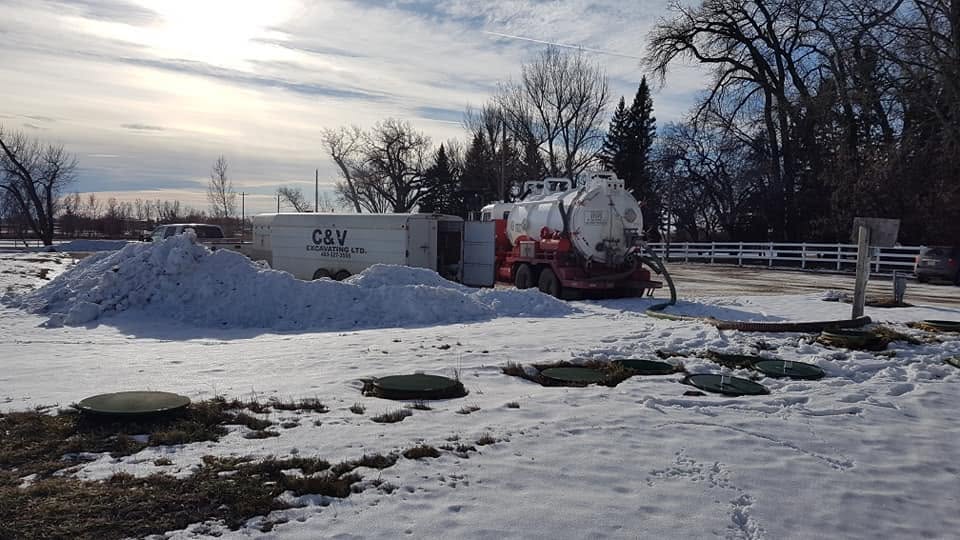
Why Acreages Need Septic Systems
Many acreages and rural properties sit outside municipal sewer service areas. In those cases, wastewater from toilets, sinks, showers, laundry, and other fixtures needs to be handled on site.
A septic system typically includes a tank and a treatment or dispersal area that works together to manage household wastewater.
For acreage owners, the system needs to be designed around the property itself, including the home size, expected usage, available space, soil conditions, and site layout.
How Does an Acreage Septic Tank Work?
A septic tank receives wastewater from the home and holds it long enough for solids and liquids to separate.
Heavier solids settle to the bottom, while lighter materials rise to the top. The liquid portion then moves to the next stage of the system for further treatment and dispersal.
The tank is only one part of the full septic system, but it plays a critical role in keeping solids from moving farther into the system.
What Should Be Considered Before Installing a Septic Tank?
Installing a septic tank on an acreage requires more planning than simply choosing a tank and digging a hole.
Important factors include:
- Property size
- Number of occupants
- Expected water usage
- Soil conditions
- Groundwater conditions
- Existing buildings and utilities
- Access for future maintenance
- Distance from wells and other sensitive areas
- Available space for the treatment field
A properly planned installation can help the system perform better and make future servicing easier.
Septic Tank Size Matters
A septic tank needs to be large enough to handle the wastewater generated by the property.
A system that is undersized may fill too quickly or place unnecessary stress on the rest of the septic system.
Larger homes, multi generational households, secondary suites, or properties with higher than average water use may require a different approach than a smaller acreage home.
That is why septic design should be based on the actual property and intended use.
Signs Your Acreage Septic System May Need Attention
Septic problems often become noticeable before a complete failure occurs.
Watch for signs such as:
- Slow drains throughout the house
- Sewage odours
- Gurgling plumbing
- Wet or unusually green areas near the septic field
- Wastewater backing up into fixtures
- Frequent need for pumping
- Standing water near the system
If these issues appear, it is worth having the system inspected before the problem becomes more serious.
How Often Should a Septic Tank Be Pumped?
There is no single schedule that works for every property.
Pumping frequency depends on factors such as:
- Tank size
- Number of people in the home
- Water usage
- Amount of solids entering the system
- Age and condition of the septic system
Regular inspection and maintenance can help identify when pumping is required instead of waiting for the tank to become overloaded.
Be Careful What Goes Down the Drain
What enters the septic system can affect how well it performs.
Avoid flushing or draining items such as:
- Wipes
- Grease and cooking oil
- Feminine hygiene products
- Paper towels
- Harsh chemicals
- Large amounts of food waste
A septic system is designed to handle normal household wastewater, not garbage.
Reducing unnecessary water use can also help prevent the system from being overloaded.
Septic Systems for New Acreage Builds
If you are building a new acreage, septic planning should happen early in the project.
The location of the home, driveway, well, utilities, landscaping, and future outbuildings can all affect where the septic system can be installed.
Planning it early can help avoid conflicts later and ensure there is enough room for installation and future servicing.
Replacing an Older Acreage Septic Tank
Older septic systems may eventually need repair or replacement due to deterioration, improper sizing, damage, or changes in how the property is being used.
If you are buying an older acreage, renovating an existing home, or adding more living space, it may be worth evaluating whether the current system is still suitable.
Acreage Septic Tank Installation in Southern Alberta
A properly installed septic system is an important part of any rural property.
At C&V Excavating, we provide excavation services for acreage septic tank installations and replacements throughout Lethbridge and Southern Alberta.
If you are building a new acreage, replacing an older system, or planning improvements to a rural property, contact C&V Excavating to discuss your septic excavation needs.